8. Alamat : Upgrade Your Home Hydration with Smart, Efficient Reverse Osmosis Water Filtration
Good-quality drinking water is one of the simplest ways to improve everyday comfort at home. Whether filling a glass in the morning, preparing a family meal, or making a refreshing drink after a busy day, clean and pleasant-tasting water makes every activity more enjoyable. However, tap water does not always deliver the taste and quality that households expect. Variations in local water supplies, dissolved substances, and plumbing conditions can influence the overall drinking experience. This is why many homeowners are exploring advanced filtration solutions that offer greater confidence and convenience.
Reverse osmosis technology has become a popular option for households looking for an additional level of water treatment. Modern systems are designed to reduce numerous unwanted substances while improving water taste and supporting everyday use. Puflow focuses on these practical needs with advanced RO filtration solutions that combine fast water flow, reduced wastewater, and convenient operation. Instead of relying entirely on bottled water or basic filtration products, homeowners can explore a more integrated approach to cleaner drinking water.
Why Modern Homes Need Better Water Filtration
Although municipal treatment facilities work to provide safe water supplies, the quality of water reaching individual homes can vary. Factors such as the original water source, distribution infrastructure, storage conditions, and household plumbing may affect its taste, odor, and composition.
Some people notice an unpleasant chlorine taste, while others are concerned about dissolved minerals, sediment, or specific contaminants. Clear-looking water does not necessarily mean that every unwanted substance has been removed. For this reason, choosing an appropriate home filtration system can be a useful additional step.
A modern reverse osmosis system provides a practical solution by using membrane technology to reduce many dissolved contaminants. It offers households convenient access to treated water for drinking and cooking without requiring frequent purchases of packaged bottles.
Discover the Advantages of Advanced RO Filtration
Cleaner Water Through Multiple Filtration Stages
One of the main advantages of reverse osmosis technology is its ability to combine different filtration stages. Depending on the model, a system may include sediment filters, activated carbon filters, and a specialized RO membrane. Each component performs a different function, helping prepare water for the next treatment stage.
Sediment filtration helps capture suspended particles, while carbon filtration can reduce chlorine taste, odors, and certain organic compounds. The RO membrane then reduces many dissolved substances, including certain salts and heavy metals. Actual reduction performance depends on the system's design and verified specifications.
Better Taste for Drinking and Cooking
Water quality influences more than hydration. It can also affect the taste of coffee, tea, soups, and other everyday recipes. Unwanted odors and certain dissolved substances may make tap water less appealing, even when it meets applicable drinking-water standards.
Properly maintained reverse osmosis systems can improve the overall taste of drinking water by reducing substances responsible for undesirable flavors. This makes filtered water a convenient choice for different household activities, from preparing breakfast to filling reusable bottles before leaving home.
Fast Water Flow for Busy Households
Convenience matters when choosing any household appliance. A filtration system should provide enough water for everyday requirements without creating unnecessary delays. Modern RO products increasingly emphasize improved production rates and practical dispensing experiences.
Fast-flow performance is particularly useful for families, shared kitchens, and homes where several people regularly depend on filtered water. Having convenient access to treated water makes it easier to maintain consistent hydration throughout the day.
Reduced Water Waste and Improved Efficiency
Traditional reverse osmosis systems discharge some incoming water during the purification process. However, filtration technology continues to evolve, with newer designs focusing on improving the amount of purified water produced relative to wastewater.
Low-waste systems can make home filtration more resource-conscious. Before selecting a product, homeowners should compare its stated wastewater ratio, production capacity, and operating requirements. These details provide a clearer understanding of long-term efficiency.
How Reverse Osmosis Systems Transform Tap Water
Understanding how an RO filtration system works can help consumers make more informed purchasing decisions. Although individual products may use different configurations, the basic purification process generally involves several stages.
Stage One: Sediment Removal
Incoming tap water first passes through a sediment filter. This component captures larger suspended particles, including rust, sand, and other visible debris. Removing these materials helps protect the more sensitive components installed further along the filtration pathway.
Stage Two: Activated Carbon Treatment
Water then moves through a carbon filtration stage. Activated carbon is commonly used to reduce chlorine, unpleasant odors, and certain organic substances. This stage can also help protect the reverse osmosis membrane from chlorine exposure, depending on the system configuration.
Stage Three: Reverse Osmosis Membrane Filtration
The central component is the semipermeable RO membrane. Water is pushed through this membrane under pressure, allowing water molecules to pass while reducing many dissolved substances. The separated contaminants are carried away through a wastewater stream.
Stage Four: Final Polishing
Some systems include an additional finishing filter to improve the taste of the treated water. Certain models may also incorporate mineralization features. These options vary between products, so reviewing the included filtration stages is important before making a decision.
Explore Practical Water Filtration Solutions for Your Home
Choosing the right filtration equipment involves balancing water quality goals, available kitchen space, household consumption, and long-term maintenance. Consumers should look beyond appearance and compare the technical details that determine how a system performs in everyday conditions.
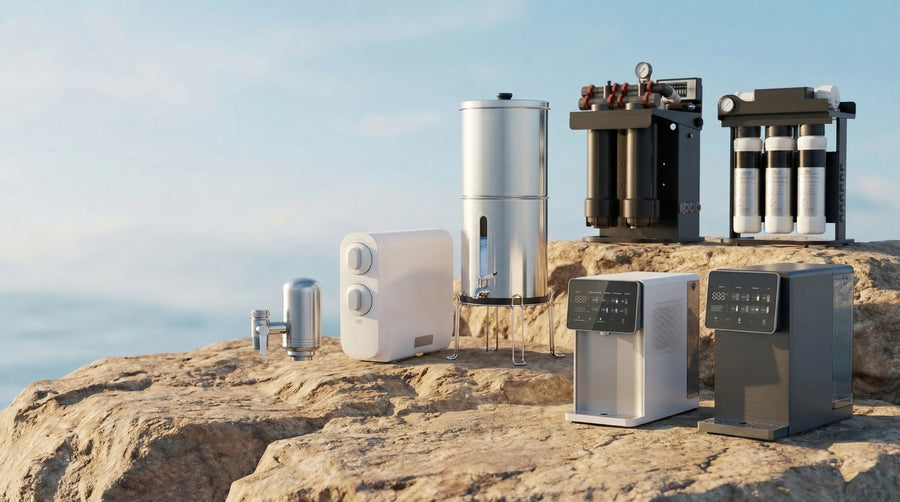
The Puflow Water Filter Store offers homeowners an opportunity to explore advanced reverse osmosis solutions designed around cleaner water, faster flow, and improved efficiency. Its product-focused approach reflects the growing demand for convenient filtration systems that can become part of a regular household routine.
When comparing available options, consider the daily water production capacity, operating pressure, filtration stages, replacement filter costs, and installation requirements. These factors can help identify a product that matches the household's needs rather than choosing a system based on marketing claims alone.
Essential Features to Check Before Purchasing
Filtration Capacity and Daily Demand
Every household consumes water differently. A single-person apartment may require less filtration capacity than a larger family that frequently uses purified water for drinking and cooking. Checking the rated production capacity helps ensure the system can meet normal daily requirements.
Space-Saving Installation
Kitchen space can be limited, especially in apartments and modern compact homes. A suitable system should fit comfortably within the intended installation area. Before purchasing, check the product dimensions, plumbing connections, and whether additional storage space is required.
Convenient Maintenance
Every filtration system requires maintenance to deliver consistent performance. Pre-filters, carbon filters, and RO membranes have different replacement intervals depending on usage and incoming water conditions. Choosing a system with accessible replacement components can simplify long-term ownership.
Verified Filtration Performance
Not all RO systems reduce exactly the same substances. Consumers should review independent certifications, manufacturer performance documentation, and contaminant-specific reduction claims. Selecting a system based on actual water-quality concerns is more effective than assuming every filtration product offers identical protection.
Why Homeowners Are Moving Toward Advanced Water Filters
One major reason households choose modern reverse osmosis technology is convenience. Instead of regularly purchasing bottled water, homeowners can access filtered water directly through a dedicated system. This can reduce shopping trips, storage requirements, and dependence on disposable packaging.
Another advantage is consistency. A properly installed and maintained filtration system can provide a dependable source of treated water for everyday activities. Whether preparing drinks, cooking meals, or filling water bottles, users can enjoy a more convenient hydration routine.
Efficiency is equally important. Improved flow rates and reduced wastewater production address two common concerns associated with older filtration designs. For consumers who want practical performance without unnecessary complexity, these improvements make modern RO systems an attractive household investment.
There is also the benefit of having greater control over household water treatment. By understanding local water conditions and choosing an appropriately specified filtration system, homeowners can make decisions that better reflect their individual requirements.
Simple Habits for Maintaining Reliable Filtration
Purchasing an advanced filtration system is only the first step. Proper installation and regular maintenance are essential for keeping it working effectively.
Always follow the manufacturer's installation instructions and check that the household water pressure is suitable for the selected model. After installation, complete the recommended flushing procedure before using the system for drinking water.
Keep track of filter replacement dates and follow the recommended maintenance schedule. Delayed replacement can affect filtration performance and water quality. It is also helpful to inspect connections periodically for leaks and check the system for unusual changes in flow or operation.
If the household has concerns about particular contaminants, consider testing the incoming water and selecting a filtration system with verified reduction capabilities for those substances. This ensures that the equipment is chosen for a specific purpose rather than relying on general assumptions.
Make Everyday Hydration Cleaner, Easier, and More Efficient
Better drinking water begins with understanding household needs and choosing technology that supports them. Advanced reverse osmosis systems offer a practical way to reduce many unwanted dissolved substances while improving the taste of everyday water. With features such as multiple filtration stages, faster flow, reduced wastewater, and convenient maintenance, modern solutions can make home hydration simpler and more enjoyable.
For homeowners who want to move beyond basic tap water filtration, exploring specialized RO products is a worthwhile step. Comparing filtration performance, efficiency, installation requirements, and long-term maintenance helps ensure a more confident purchasing decision.
Clean, better-tasting water should fit naturally into everyday life rather than becoming another complicated household responsibility. Explore Puflow's advanced water filtration solutions and discover how modern reverse osmosis technology can bring greater convenience, improved water quality, and a smarter hydration experience to your home.